
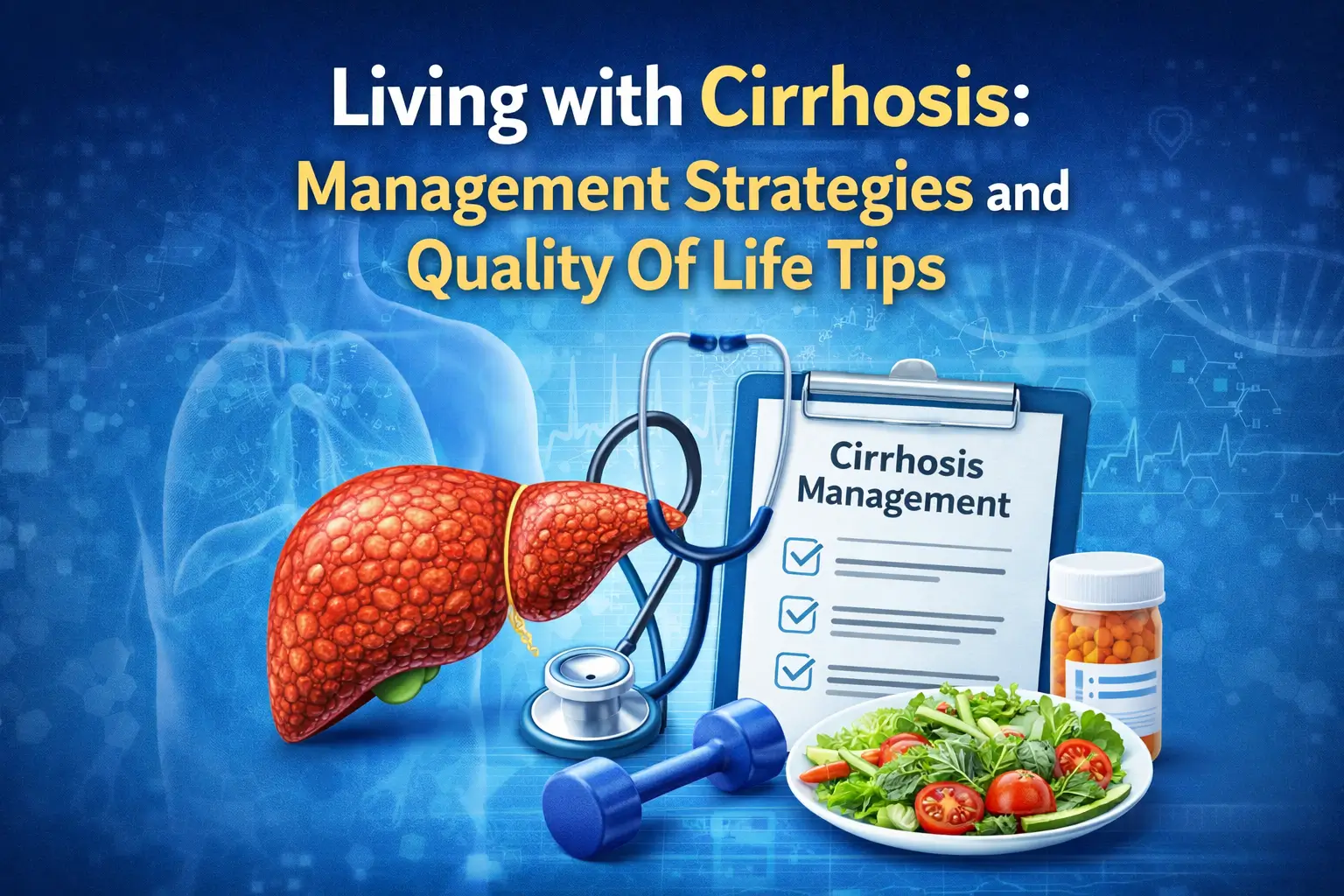
Living with Cirrhosis can make life a little difficult. But the right management techniques can make the difference between being healthy and living a better life. Cirrhosis is a long-term disease where the liver is so scarred and this is normally due to the intake of alcohol, viral infections or fatty liver disease. Early diagnosis and the regularity of medical treatment are the key to the delay of the progression and avoiding complications. Leaders in Liver Health is a specialist service that provides people with this complicated condition with guidance and assistance.
Cirrhosis is the terminal phase of liver scarring that follows several years of destruction. The fewer healthy liver cells and more scar tissue replace them, the less the organ is able to carry out the necessary functions, including the process of filtering toxins, producing proteins and aiding in digestion.
Long-term liver disease treatment is important since cirrhosis is irreversible though its development may be slowed. Proper care contributes to the minimisation of complications, enhancement of everyday functioning, and well-being for proper cirrhosis management.
Knowledge about the development and living with cirrhosis helps patients and their families to be ready of what to expect and make better decisions.
Compensated and Decompensated Cirrhosis.
The compensated stage is the onset of cirrhosis, where the liver is still relatively functional and the symptoms are not very significant. As the condition advances with time, it can develop to decompensated cirrhosis whereby severe symptoms and complications occur.
The common complications of cirrhosis are jaundice, internal bleeding, infections, ascites, and confusion due to toxin build up. Liver cancer is also a possible side effect of liver damage sustained over a long period in some patients.
Early Help & Checkup
Concerned about your liver health?
If you are experiencing fatigue, abdominal discomfort, or any of the early warning signs of liver disease — don’t wait.
Book your liver health checkup now
Prevent long-term damage before it’s too late.
Medical management strategies are used for cirrhosis management. Continued medical treatment is necessary to reduce the rate of cirrhosis advancement and avoid serious complications.
Medications and Monitoring
Drugs are taken to treat the liver cirrhosis symptoms, decrease inflammation, and aid liver activity. The medical review and blood tests carried on a regular basis can guarantee the right control of the disease.
Dangerous bleeding may occur as a result of portal hypertension or increased pressure in the veins that surround the liver. The cirrhosis treatment options include medications, lifestyle modification, or pressure reduction procedures.
Living with cirrhosis make the patients prone to infections. Preventive measures involve immunizations, antibiotics as needed, and cheque-ups.
Lifestyle habits are healthy and help in maintaining the liver and minimise the load on the body when living with cirrhosis.
A low sodium diet for cirrhosis patients assists in reducing swelling and accumulation of fluid. Patients can also be suggested to keep track of their daily water consumption.
Avoiding Alcohol and Liver Toxins
Safe Physical Activity Recommendations
Moderate to light exercise will ensure muscle strength, weight control and overall well-being.
Regular cheque-ups are used to monitor the development of diseases and to avoid complications.
Liver Function Tests
Frequent liver functional tests are done to determine the level of enzymes, production of protein and other important parameters used to determine the health of the liver.
Support groups offer mutual experiences, relief of emotions, and advice of other people with cirrhosis.
The only sure cure is a liver transplant, which is normally advised in the case of severe cirrhosis.
Cirrhosis is a complicated disease, whereas with proper medical treatment, lifestyle changes, and emotional help, a person can still live a good life. Early detection, regular observation, and active treatment highly diminish the chances of complications. Leaders in Liver Health is a place where patients can receive all-inclusive care, a tailored treatment plan, and professional advice to guide them through all the phases of their journey with confidence and stability.
At Liver Care London, we provide consultant-led, evidence-based liver health assessment tailored to individual risk profiles. Our aim is early detection, personalised guidance, and long-term prevention.
If you would like to understand your liver health, or explore workplace liver wellbeing initiatives, our team would be pleased to help.
WhatsApp us
Fill out the form below to schedule a consultation with our liver health specialists. Our team will review your information and contact you within 24 hours to arrange an in-person or virtual consultation. This helps us understand your concerns and offer the best personalized care for your liver health.