
Expert diagnosis and advanced treatment for gallbladder and bile duct cancer in London. Our specialist team provides personalised, world-class care for biliary tract cancers.
Biliary tract cancers are rare but serious illnesses. The include Billary tract cancer of the and the bile duct. These cancers can progress quickly, thus early assessment, accurate diagnosis, and quality care by experienced specialists is essential. Here we explain key facts about gallbladder and bile duct cancers, including their early warning signs. You will also learn how Leaders in Liver Health supports patients in understanding these conditions and getting the right care.
These cancers do not cause obvious symptoms at first, , which is why knowledge of warning signs and risk factors is critical. This can help people get diagnosed earlier and improve chances of successful treatment. Let us take a look at the symptoms, treatment options, and the need to seek medical attention early in case of gallbladder and bile duct cancer.
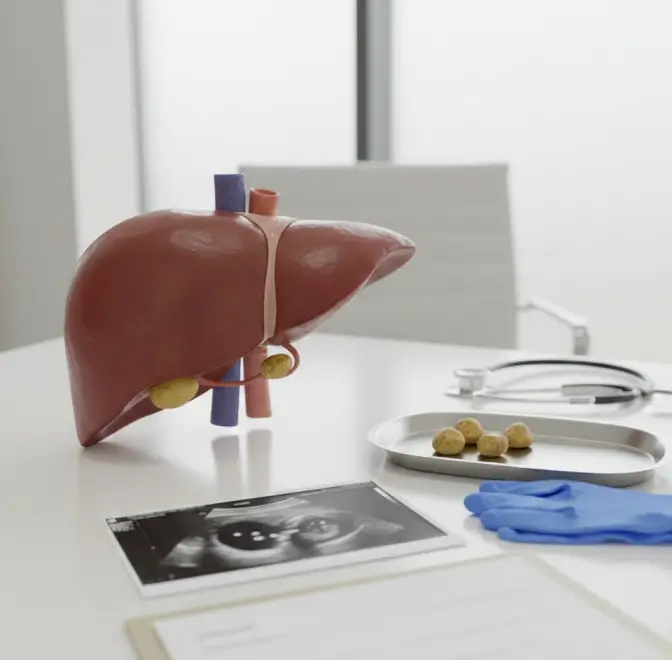
Gallbladder cancer and bile duct cancer (also referred to as cholangiocarcinoma) are cancers that affect parts of the body involved in making and moving bile.The biliary system is made up of small tubes and organs that carry bile from the liver to the small intestine. Bile is a digestive liquid that helps the body break down fats and remove waste and harmful substances
Gallbladder cancer begins in the tissues of the gallbladder, a small organ located underneath the liver. As, the gallbladder is situated deep in the abdomen this cancer often does not cause symptoms until late.
Bile duct cancer starts in the ducts that carry bile from the liver to the intestine. It is categorised into:
Important: Both gallbladder and bile duct cancers can grow and spread quickly, so early assessment and treatment are very important. These cancers do not cause obvious symptoms at first, which is why knowledge of warning signs and risk factors is critical.
Biliary tract cancers are rare, but their numbers have been increasing worldwide. They are difficult to detect at early stages because initial symptoms may be mild/absent and thus they are often not noticed until they have advanced.
At Leaders in Liver Health, we promote and encourage periodic screening and regular assessmentfor people with persistent digestive symptoms or those with long-term liver conditions as this can help with earlier diagnosis.
Gallbladder cancer and bile duct cancer (also referred to as cholangiocarcinoma) are cancers that affect parts of the body involved in making and moving bile.The biliary system is made up of small tubes and organs that carry bile from the liver to the small intestine. Bile is a digestive liquid that helps the body break down fats and remove waste and harmful substances
These symptoms are often subtle and are easy to ignore. If these symptoms persist, it is important to seek medical attention.
Especially in the upper right side of the abdomen
Often mistaken for a minor stomach problem
Feeling full after eating small amounts
Losing weight without diet or exercise changes
As the disease develops, it may block or inflame the bile ducts or gallbladder and symptoms may become more noticeable.
Yellowish discolouration of skin and eyes - requires immediate examination
Due to excess bilirubin in the urine
Clay-colored stools caused by reduced bile reaching digestive tract
Occurs due to bile salts building up in the skin
May indicate an infection or inflammation
Due to reduced bile flow and effects of cancer on the body
If you experience jaundice, persistent upper abdominal pain, unexplained weight loss, or any combination of these symptoms, seek medical assessment promptly. Early diagnosis significantly improves treatment outcomes.
The exact causes of gallbladder and bile duct cancers are not yet fully understood. There are, however, several factors known to elevate the risk. Having one or more risk factors does not mean that someone will develop cancer. Many people with risk factors never do. However, awareness and regular medical review are important, especially for those at higher risk.
There are some medical conditions, lifestyle habits, and hereditary factors that may increase the risk of getting these cancers.
Long-term irritation, often caused by gallstones or repeated infections can damage the gallbladder lining over time.. This constant/on-going inflammation may lead to abnormal cell changes and increase therisk of cancer.
This is a chronic diseasethat causes scarring and narrowing of the bile ducts. Over time, the damage significantly increases the risk of bile duct cancer.
Liver tissue is damaged over time, by conditions causing cirrhosis, such as chronic hepatitis B or C. Bile flow is also affected by these diseases, which predisposes people to bile duct cancer.
There are individuals who are born with structural anomalies of their bile ducts. The defects have the potential to interrupt bile flow and lead to chronic inflammation that increases the risk of cancer.
Excess body weight is linked to chronic inflammation and increases the chance of developing gallstones. Gallstones are one of the main risks for gallbladder cancer
Diabetes influences bile composition and gallbladder function. This may increase the risk of gallstones and chronic gallbladder irritation.
In rare cases, long-term exposure to some industrial chemicals has been linked to bile duct damage and higher cancer risk.
A small number of cases are linked to inherited genetic factors,
Even though many risk factors are not preventable, early diagnosis can greatly enhance treatment outcomes.For people with known risk factors, regular medical reviews and appropriate investigations can help detect problems at an earlier stage, before cancer becomes advanced.
Gallbladder and bile duct cancers are not usually inherited. Most cases are not passed down through families. However, certain rare genetic conditions and metabolic disorders can increase a person’s risk. In most people, these cancers are more strongly linked to long-term inflammation, gallstones, and chronic liver disease than to inherited genes.
At Leaders in Liver Health, we carefully review each patient’s personal and family medical history. This helps us identify people who may benefit from closer monitoring and tailored Fibroscan screening.
Even though many risk factors are not preventable, early diagnosis can greatly enhance treatment outcomes. For people with known risk factors, regular medical reviews and appropriate investigations can help detect problems at an earlier stage, before cancer becomes advanced.
An accurate diagnosis is essential to confirm the presence of cancer, determine how advanced it is, and plan the most appropriate treatment. In the UK, both NHS and private healthcare pathways follow established clinical guidelines. Diagnosis usually involves a combination of blood tests, imaging scans, and, in some cases, a biopsy to confirm the diagnosis.
Assess liver function, detect bile blockage, and look for tumour markers (CA 19-9 and CEA)
Ultrasound, CT scan, MRI/MRCP, and Endoscopic ultrasound (EUS) to visualise tumours and blockages
Taking tissue samples for laboratory analysis to confirm cancer presence and type
Endoscopic procedure to examine bile ducts, take samples, and insert stents to relieve blockages
Staging indicates how far a cancer has grown and whether it has spread to nearby tissues, lymph nodes or other parts of the body.
The stages helps doctors choose the most effective treatment and give patients realistic information about outlook. Staging is based on imaging scans, biopsy results, and sometimes findings at surgery.
The tumour is small and limited to the bile duct or gallbladder and has not spread to nearby tissues. At this stage, surgery often offers the best chance of cure, especially when the cancer is detected early.
Tumour has grown deeper into surrounding tissues, but has not spread beyond the biliary system., Treatment usually involves surgery with the help of other therapies to improve long-term management.
The cancer has spread o nearby organs or lymph nodes. Treatment typically involves a combination of approaches, such as chemotherapy, targeted treatments, and, in selected cases, complex surgery. The main aim is to control the disease and prevent further spread.
Cancers diagnosed at an early stage are more likely to be suitable for curative treatment and generally have better outcomes. This is why early assessment and prompt investigation of symptoms are so important.
Important: The cancer has spread to distant parts of the body other organs of the body. This advanced stage tends to involve the lungs, bones, or other abdominal organs. At this stage, cure is less likely. Treatment focuses on slowing disease progression, relieving symptoms, and maintaining quality of life.Cancers diagnosed at an early stage are more likely to be suitable for curative treatment and generally have better outcomes. This is why early assessment and prompt investigation of symptoms are so important
Treatment for gallbladder and bile duct cancer depends on several factors, including the type of cancer, its location and stage, and how well the liver is functioning. Your general health and personal preferences are also important.
Our specialist team develops individualised treatment plans that focus on safety, effectiveness, and quality of life.
Care is provided through a coordinated team of hepatologists, oncologists, radiologists, and surgeons.
Cholecystectomy, bile duct resection, liver resection, and Whipple procedure for early-stage cancers
Uses heat or energy to destroy cancer cells while preserving healthy tissue
Focused energy beams to shrink tumours and relieve symptoms
Anti-cancer medicines to slow or control tumour growth
Acts on specific genetic or molecular changes within cancer cells
Helps the immune system recognise and attack cancer cells
Procedures to restore bile flow and reduce jaundice
At Leaders in Liver Health, patients benefit from close collaboration between liver specialists, cancer doctors, surgeons, and imaging experts. This team approach ensures that every patient receives comprehensive, personalised care.
Outcomes vary widely from person to person. Cancers diagnosed at an early stage are generally easier to treat and associated with better long-term results. Good liver function, type of treatment, and overall health are key factors in determining response to therapy.
At later stages, treatment focuses on improving comfort and maintaining quality of life. This includes personalised pain management, procedures to drain excess fluid, nutritional support, and psychological and emotional attention for patients and families.
Our London-based hepatology team works with leading UK oncologists to offer accurate diagnosis, evidence-based therapy, and patient-centred care.
Our hepatology multidisciplinary specialists are very experienced in the treatment of complicated biliary cancers following UK standards
We use high-precision scans and endoscopy to detect and stage early
We guarantee follow-up, continuity of care and good communication
Our treatment routes are based on international medical practice and current clinical studies
Our mission is to offer quality medical services alongside respect and empathy. We combine expert medical treatment with compassionate care for patients and their families at every stage of illness.
Gallbladder cancer starts in the gallbladder, which stores bile beneath the liver. Bile duct cancer begins in the tubes that carry bile from the liver to the small intestine. Although these cancers can cause similar symptoms, they affect different parts of the biliary system and may require different tests and treatments. Specialist assessment is important to make an accurate diagnosis and plan the most appropriate care.
Indigestion, pain in the abdomen, nausea, jaundice, and unexplainable weight loss. A specialist should examine any on-goingsymptoms.
In some cases, yes. When the disease is diagnosed at an early stage, surgery may be able to remove the cancer completely and offer a chance of cure. However, many cases are diagnosed at a later stage. In these situations, treatment focuses on slowing the growth of the cancer, relieving symptoms, and improving quality of life. Modern therapies can often help patients live longer and more comfortably.
In most cases, these cancers develop as a result of long-term inflammation and irritation of the gallbladder or bile ducts. This is often linked to gallstones, chronic liver disease, or scarring of the bile ducts. Certain conditions, such as primary sclerosing cholangitis (PSC) and long-standing hepatitis B or C, can increase the risk. Genetic causes are uncommon, and most cases are not inherited.
The rate of growth varies depending on the type of cancer and the individual’s overall health, particularly liver function. Some tumours grow slowly, while others can be more aggressive.
As early symptoms are often mild or absent, these cancers may progress for some time before being detected. For this reason, regular monitoring is important for people at higher risk.
Maintaining a healthy weight, staying physically active, and eating a balanced diet can help reduce long-term inflammation and lower the risk of gallstones. Good management of liver conditions, such as hepatitis, and timely treatment of gallstones can also reduce ongoing irritation of the biliary system and may help lower cancer risk. While lifestyle changes cannot prevent all cases, they play an important role in supporting long-term liver and gallbladder health.
Therapy can be surgical, chemotherapy, radiotherapy, ablation, targeted therapy or immunotherapy. Some patients may receive a combination of these approaches.
The most appropriate treatment plan depends on several factors, including the location and stage of the tumour, how well the liver is functioning, and the patient’s overall health. Treatment is always tailored to each individual.
You should consider seeing a liver specialist (hepatologist) if you develop symptoms such as jaundice, persistent upper abdominal pain, unexplained weight loss, or ongoing fatigue. People with a history of liver disease or gallstones should also seek specialist advice.
Regular follow-up with a hepatologist helps ensure early detection of problems and timely treatment.
No, gallbladder cancer is rare in the UK. However, the risk increases with age and is higher in people with long-standing gallstones or certain liver conditions.
There is currently no national screening programme for gallbladder or bile duct cancer in the UK. However, people at higher risk can access specialist assessment and regular monitoring through hepatology and hepatopancreatobiliary (HPB) cancer services in London.
EXCELLENT Based on 20 reviews
 Posted on Google
 Kristoffer KoppeltDr. Kennedy is an exceptional specialist. He is incredibly patient, kind, and sympathetic. His huge expertise was evident when he provided the right diagnosis, which was quickly confirmed by laboratory tests. I felt truly heard and well cared for. Highly recommended!Posted on Google
 Lesley CohenAs a patient of Professor Patrick Kennedy, I have found him to be professional, considerate and available to answer my questions in great depth, while making me feel at ease. Nothing seems to be too much trouble for him and I would highly recommend him to anyone who could benefit from his knowledge and expertise.Posted on Google
 Cat WildmanThe best of the best. Clinically excellent and brilliant customer service.Posted on Google
 Barbara BoniMy specialist Prof. Kennedy Leaders in Liver Health was very professional, attentive, and willing to listen to all my questions, explaining everything in a clear and reassuring way. I felt very well cared for and supported with great competence.Posted on Google
 Θεανώ ΚόλλιαDr. Apostolos Koffas at Leaders in Liver Health is really knowledgeable and thorough in explaining everything in a way that’s easy to understand. I felt confident and well cared for throughout my visit. The team was professional and welcoming as well.Posted on Google
 Olesia PoludennaGreat experience at Leaders in Liver Health. The team is professional, caring, and efficient. Highly recommend this clinic for excellent specialist care.Posted on Google
 Xhuli MiriExcellent care and professionalism at Leaders in Liver Health. Thank you, Professor Kennedy, for your expertise, kindness, and clear guidance throughout my treatment. Truly grateful for the outstanding support.Surely recommended!Posted on Google
 Konstantinos KoureliasI had a great experience at Leaders in Liver Health Clinic. The team was kind, knowledgeable, and took the time to explain everything clearly. I felt listened to and well cared for throughout my visit. Highly recommend!Verified by TrustindexTrustindex verified badge is the Universal Symbol of Trust. Only the greatest companies can get the verified badge who has a review score above 4.5, based on customer reviews over the past 12 months. Read more
If you or a loved one has ongoing symptoms that may be linked to gallbladder or bile duct cancer, arranging an assessment as early as possible can make a real difference.
An initial consultation allows our specialists to review your symptoms, arrange appropriate tests and scans, and develop a clear, personalised care plan.
At Leaders in Liver Health, we are committed to providing thorough assessment, accurate diagnosis, and ongoing support. Our team will guide you through each step of your care with clarity and compassion.
Book your consultation today and take a positive step towards expert-led, trusted liver care
WhatsApp us
Fill out the form below to schedule a consultation with our liver health specialists. Our team will review your information and contact you within 24 hours to arrange an in-person or virtual consultation. This helps us understand your concerns and offer the best personalized care for your liver health.