
Expert diagnosis and effective treatment for gallstones and biliary disorders in London. Our specialist team provides personalised care to relieve symptoms, manage complications, and support long-term digestive health.
Gallstones and biliary disease are among the most common digestive conditions in adults. While many people with gallstones never experience any symptoms, others develop significant pain and complications that require medical attention.
Understanding what causes gallstones, how biliary disease develops, and which symptoms to watch for can help you seek appropriate care promptly and avoid longer-term complications.
At Leaders in Liver Health, our aim is to provide expert diagnosis, effective treatment, and ongoing support. This guide covers everything you need to know about gallstones and bile duct conditions, including symptoms, diagnosis, treatment options, and when to see a specialist.
There are three main types of gallstone, each with different causes. Understanding the type can help guide the most appropriate treatment.
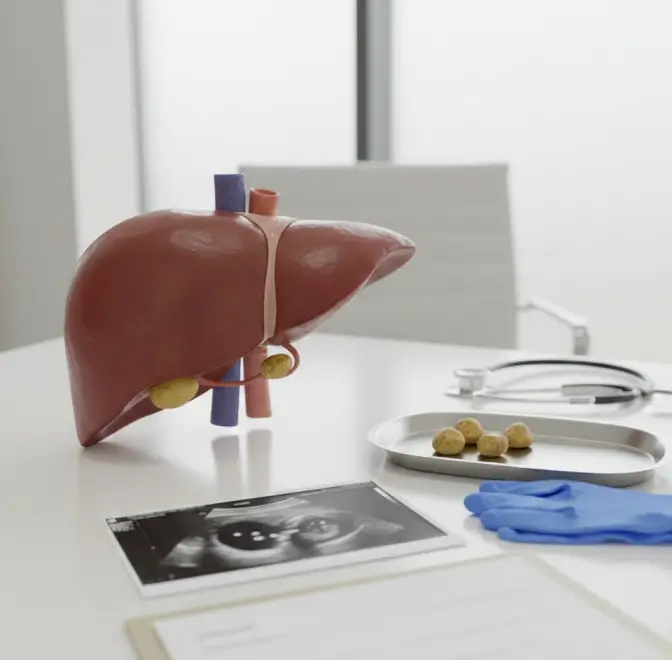
Biliary disease is an umbrella term for conditions affecting the gallbladder and bile ducts, the network of tubes that carry bile from the liver to the small intestine. When these structures become blocked or inflamed, it can cause a range of symptoms, from mild discomfort to serious complications requiring urgent care.
The main types of biliary disease include:
These conditions range from mild and manageable to potentially life-threatening, which is why early diagnosis and appropriate treatment are so important.
Too much cholesterol in the bile, which causes it to solidify and form stones.
Excess bilirubin in the bile, commonly seen in liver disease or certain blood disorders.
Incomplete emptying of the gallbladder, which allows bile to become concentrated and stagnant, encouraging stone formation.
Being female
Age over 40
Pregnancy
Obesity or rapid weight loss
A diet high in fat
A family history of gallstones
Diabetes
Certain medications, including hormone therapies and cholesterol-lowering drugs
Some people with gallstones have no symptoms at all. Others experience noticeable, and sometimes severe, symptoms that warrant medical attention.
Sharp or cramping pain in the upper right abdomen
Pain that spreads to the right shoulder or back
Discomfort after eating fatty or rich foods
Nausea and vomiting
Bloating and indigestion
Fever and chills
Jaundice (yellowing of the skin or whites of the eyes)
Dark or tea-coloured urine
Persistent or uncontrollable vomiting
Severe abdominal pain lasting several hours
Without appropriate treatment, gallstones can lead to a number of serious complications:
When a stone becomes lodged and prevents bile from draining normally, the gallbladder can become swollen and inflamed. This causes sharp pain, nausea, and in some cases fever. If not treated promptly, cholecystitis can escalate into an emergency.
A blockage in the bile ducts can trap bacteria and lead to a serious infection. Patients typically develop fever, jaundice, and severe abdominal pain. Cholangitis is a medical emergency that must be treated promptly to prevent complications.
If a gallstone blocks the pancreatic duct, the digestive enzymes produced by the pancreas cannot drain properly and begin to irritate the organ itself. This causes sudden, intense abdominal pain that may radiate to the back. Gallstone pancreatitis requires urgent hospital care.
A stone obstructing the bile duct prevents bile from passing from the liver into the intestine. This can lead to jaundice, infection, and severe pain. Prompt removal of the stone is essential to restore normal bile flow and prevent further complications.
Accurate diagnosis is essential to determining the right course of treatment. Your doctor may use one or more of the following investigations:
The most commonly used first-line investigation for detecting gallstones. It is safe, painless, and widely available.
Recommended when symptoms suggest complications or when stones may be present in the bile ducts.
A specialised MRI scan that produces detailed images of the bile ducts, helping to identify blockages or abnormalities.
A procedure that allows both diagnosis and treatment. Using a flexible camera passed through the mouth, a specialist can directly visualise the bile ducts and remove stones if present.
Used to assess liver function, identify infection, and detect signs of bile duct obstruction or inflammation.
The appropriate treatment for gallstones depends on your symptoms, the location and size of the stones, and your overall health. Your clinician will discuss the risks and benefits of each option with you and recommend the safest and most effective approach.
If you have gallstones but no symptoms, immediate treatment may not be necessary. Many people with silent stones live without any problems throughout their lives. Regular monitoring with imaging allows changes to be detected early, and treatment can be started if symptoms or complications develop.
For mild or infrequent gallstone attacks, pain relief medication and adequate hydration are usually recommended. Anti-sickness medication can help manage nausea, and dietary adjustments, such as reducing fat intake, can ease symptoms during an episode. This approach is suitable for patients with occasional, mild symptoms.
Surgical removal of the gallbladder is the most effective long-term treatment for symptomatic gallstones. It eliminates the source of the problem and prevents future attacks. Surgery is typically recommended when pain or infection recurs, and is considered safe for the majority of patients.
Laparoscopic cholecystectomy is the preferred surgical technique for most patients. It uses small incisions rather than a large cut, resulting in less post-operative pain and a faster recovery. Most patients are able to go home within one to two days. The body functions normally without the gallbladder, as bile flows directly from the liver to the intestine.
In more complex cases, or where laparoscopic surgery is not suitable, open surgery may be required. This involves a larger incision and a longer recovery period. While more invasive, it is an effective and well-established technique when clinically indicated.
For stones lodged in the bile ducts, ERCP is the preferred approach. A thin, flexible camera is passed gently through the mouth and into the digestive system, allowing the specialist to locate and remove the stones without the need for surgery. This technique is particularly effective in cases of bile duct obstruction or infection.
When gallstones cause an infection, antibiotics are used to control bacterial growth and reduce inflammation. They are usually prescribed alongside other treatments. In cases of severe infection, antibiotic therapy is administered in hospital.
Making changes to your diet and lifestyle can reduce the risk of gallstones recurring. Key recommendations include:
● Following a low-fat diet to support healthy bile flow
● Maintaining a healthy weight to reduce cholesterol accumulation in bile
● Avoiding crash diets and increasing fibre intake to support long-term gallbladder health
While it is not always possible to prevent gallstones entirely, adopting a healthy lifestyle can significantly reduce your risk. The following steps are recommended:
Those with a family history of gallstones, or who have previously had an episode, should be particularly mindful of their diet and any new or recurring symptoms.
You should seek a specialist assessment if you are experiencing any of the following:
Leaders in Liver Health offers rapid-access assessments and specialist care to ensure you receive a timely and accurate diagnosis.
We provide specialist care for gallbladder and biliary conditions, supported by advanced diagnostics and evidence-based treatment. Our goal is to help you understand your condition, access the right treatment, and recover with confidence.
Our team offers:
Thorough clinical assessments and diagnostic imaging
Tailored treatment plans for gallstones and biliary disease
Surgical referrals where required
Ongoing follow-up and long-term prevention advice
We are committed to supporting your recovery in a caring environment and helping you avoid further complications.
Our mission is to offer quality medical services alongside respect and empathy. We combine expert medical treatment with compassionate care for patients and their families at every stage of illness.
Gallstones form when the chemical balance of bile is disrupted. Too much cholesterol or bilirubin, or a gallbladder that does not empty properly, can all contribute to stone formation.
Very small stones may occasionally pass without causing symptoms, but most gallstones do not resolve on their own. Stones that cause symptoms generally require active treatment.
High-fat, fried, and processed foods are known to trigger pain in people with gallstones. A diet based around lean proteins, vegetables, and fruits is generally better tolerated.
Not always. Surgery is recommended when pain recurs or complications develop. Silent gallstones that cause no symptoms may not require any treatment at all.
Yes. If a bile duct becomes blocked, it can lead to liver inflammation or infection. Prompt treatment helps prevent lasting damage to the liver.
Bile duct disease refers to any condition that affects the bile ducts, including blockages, infections, or inflammation. It can cause symptoms such as pain, jaundice, and digestive problems.
Most patients who have laparoscopic (keyhole) surgery are back to normal activities within one to two weeks. Recovery from open surgery typically takes longer, depending on individual circumstances.
Seek emergency care immediately if you develop severe abdominal pain, high fever, jaundice, or persistent vomiting. These symptoms may indicate a serious complication that requires urgent treatment.
EXCELLENT Based on 20 reviews
 Posted on Google
 Kristoffer KoppeltDr. Kennedy is an exceptional specialist. He is incredibly patient, kind, and sympathetic. His huge expertise was evident when he provided the right diagnosis, which was quickly confirmed by laboratory tests. I felt truly heard and well cared for. Highly recommended!Posted on Google
 Lesley CohenAs a patient of Professor Patrick Kennedy, I have found him to be professional, considerate and available to answer my questions in great depth, while making me feel at ease. Nothing seems to be too much trouble for him and I would highly recommend him to anyone who could benefit from his knowledge and expertise.Posted on Google
 Cat WildmanThe best of the best. Clinically excellent and brilliant customer service.Posted on Google
 Barbara BoniMy specialist Prof. Kennedy Leaders in Liver Health was very professional, attentive, and willing to listen to all my questions, explaining everything in a clear and reassuring way. I felt very well cared for and supported with great competence.Posted on Google
 Θεανώ ΚόλλιαDr. Apostolos Koffas at Leaders in Liver Health is really knowledgeable and thorough in explaining everything in a way that’s easy to understand. I felt confident and well cared for throughout my visit. The team was professional and welcoming as well.Posted on Google
 Olesia PoludennaGreat experience at Leaders in Liver Health. The team is professional, caring, and efficient. Highly recommend this clinic for excellent specialist care.Posted on Google
 Xhuli MiriExcellent care and professionalism at Leaders in Liver Health. Thank you, Professor Kennedy, for your expertise, kindness, and clear guidance throughout my treatment. Truly grateful for the outstanding support.Surely recommended!Posted on Google
 Konstantinos KoureliasI had a great experience at Leaders in Liver Health Clinic. The team was kind, knowledgeable, and took the time to explain everything clearly. I felt listened to and well cared for throughout my visit. Highly recommend!Verified by TrustindexTrustindex verified badge is the Universal Symbol of Trust. Only the greatest companies can get the verified badge who has a review score above 4.5, based on customer reviews over the past 12 months. Read more
If you or a loved one are experiencing symptoms such as abdominal pain, nausea, or digestive discomfort that may be linked to gallstones or biliary disease, seeking timely medical advice can help prevent complications.
An initial consultation allows our specialists to assess your symptoms, recommend appropriate investigations, and create a personalised treatment plan tailored to your condition.
At Leaders in Liver Health, we are dedicated to delivering accurate diagnosis, effective treatment, and ongoing care. Our team will support you at every stage with clear guidance and a patient-focused approach.
Book your consultation today and take a confident step towards expert care for gallstones and biliary health.
WhatsApp us
Fill out the form below to schedule a consultation with our liver health specialists. Our team will review your information and contact you within 24 hours to arrange an in-person or virtual consultation. This helps us understand your concerns and offer the best personalized care for your liver health.